
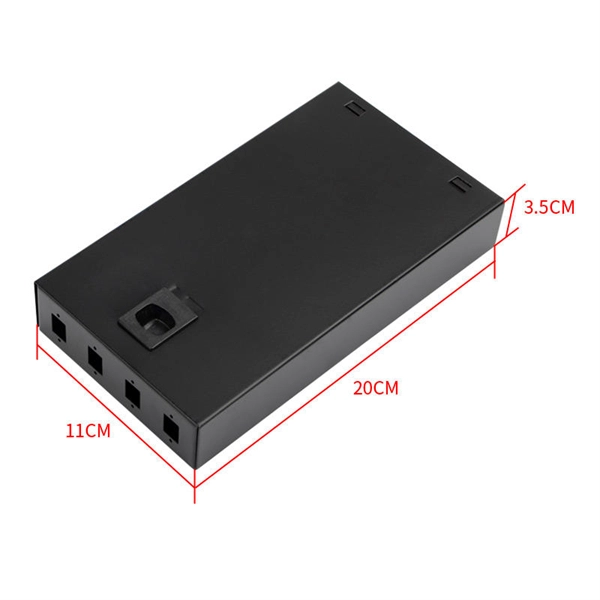
Distribution box
In this article, you will learn everything you need to know about installing, expanding or replacing a distribution box - from the legal basis to practical implementation. What is a distribution box and what
PDU8000 Power Distribution BOX-T Quick Guide (02400ECD)
The following figure shows the model naming conventions for a power distribution box.
How to Wire a Home Distribution Box
In this video, we''ll walk you through the process of wiring a home distribution box with a detailed connection diagram.
How to Wire a UPS/Inverter:for our home distribution box
In this video, we''ll guide you through the process of wiring a UPS (Uninterruptible Power Supply) or inverter for your home or office.
The installation requirements for the distribution box
Learn how to install a distribution box safely and correctly. Covers wiring, placement, standards, and expert tips for a compliant setup.
Rack Power Distribution Unit (PDU) Installation Instructions
Includes multi-language installation instructions and DHCP network information for MPO (managed per outlet AP86xx) Rack Power Distribution Units
Intelligent Rack PDU Installer/User Guide
The GeistTM Rack Power Distribution Unit (rPDU) gives data center managers the flexibility to install the intelligence required today, with the option to upgrade technology as needs evolve.
Step-by-Step Guide to Wiring a 3 Phase DB Box
Learn about the wiring process for a 3 phase distribution board (DB) box, including the necessary steps and safety precautions. Understand how to connect the incoming power supply, distribute it to
THE WATTBOX GUIDE Best Practices + Troubleshooting + More
With 800-series PDUs, if you have labeled your outlets in OvrC, you can check power consumption with the metering data to see if it has changed (or if an “empty” outlet is mysteriously drawing power).
How To Connect A Distribution Box
Learn how to connect a distribution box with this easy-to-follow, step-by-step guide. From tools and materials needed to common installation mistakes and solutions, this comprehensive article will
Introducing the new Microsoft Teams chat and channels experience
The new chat and channels experience is now rolling out to general availability. Our customers are our greatest source of inspiration, and over the years we have evolved Teams with
Installing Visual Studio Code on Linux
With WSL, install and run Linux distributions on Windows to develop and test source code on Linux while working locally on a Windows machine. WSL supports Linux distributions such as Ubuntu,
Outlook help & learning | Microsoft Support
Get help with Outlook for Windows, the Outlook app, Outlook , and more. Find training videos, how-to articles, and Outlook support content
Pricing Calculator | Microsoft Azure
Configure and estimate the costs for Azure products and features for your specific scenarios.
Caliptra 2.1: An Open-Source Silicon Root of Trust With Enhanced
Today at the Open Compute Project Global Summit, we introduced Caliptra 2.1, an open-source silicon Root of Trust (RoT) security subsystem designed for seamless integration into secure
SSMS roadmap
As we make SSMS 20 generally available, we''ll share information about the current SSMS roadmap.
Free Markdown to HTML Converter
Convert Markdown to HTML Paste or type your markdown and see it rendered as HTML. Download or copy the resulting HTML. Coming Soon! This page will also allow you to: Save stylesheets to use
Finance and operations application documentation
Learn how to make finance and operations applications work for your business, using the resources in this article to find great content for end users, developers, and IT professionals. Much of
Related Video Reference
This video was associated with the source search result. Verify technical details against current product documentation and project requirements.
This reference is intended for preliminary fiber and communications infrastructure research. Optical interface, fiber type, port or core capacity, electrical input and output, enclosure protection, cooling, installation limits and applicable standards must be verified for the specific project.